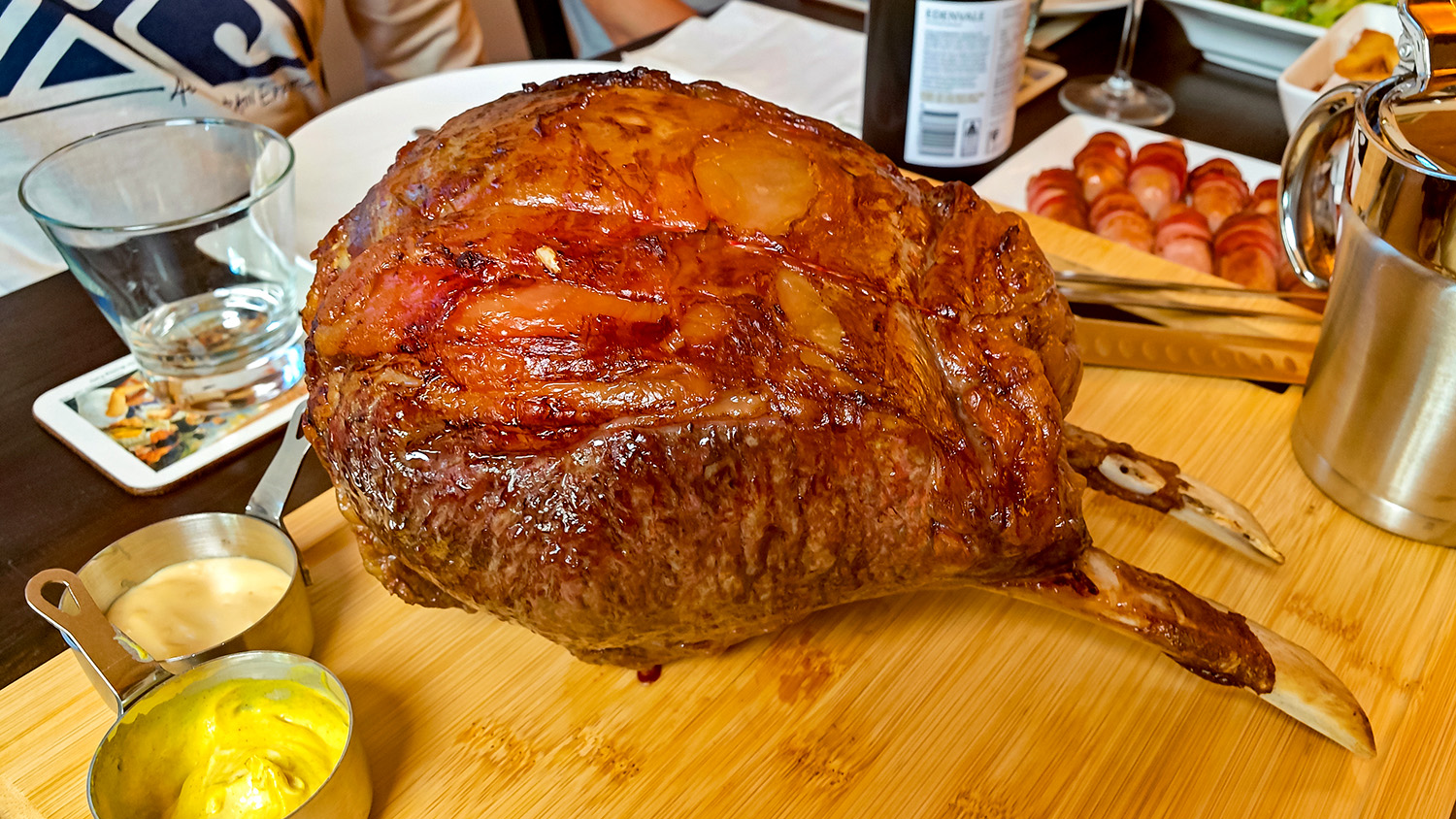
Clem's Reverse Seared Angus Standing Rib Roast


It's Christmas time!

I decided to have a Standing Rib Roast for Christmas Eve dinner this year. It's not hard to do: (1) Find a good piece of rib roast appropriate in quality and size size for the occasion; (2) Follow the reverse sear technique closely to get the desired degree of "doneness" to steak cut from the roast. The reverse sear technique is to cook first and then sear.

Be warned that this technique takes a whole morning or afternoon to do and that it is a two-stage roasting process.

Here is how I did my roast:

Ingredients

  • Standing Rib Roast
    I found a 2-rib, 2.5 Kg of Angus (MB3-4+) beef at my favourite meat store.
     
  • Seasoning
    I just used salt/MSG mix. You can add pepper and herbs if you wish.
    I let my diners pepper their own steak at serving as some may not like it too spicy.
     
  • Cooking oil
    Your choice.
     

Method
 

  • Pat dry with paper towels, the surfaces of the rib roast.
     
  • Generously salt the meat over all surfaces.
     
  • Let the meat sit at least overnight in a refrigerator for it to season and surface dry (this helps with heat browning later).
     
  • After resting overnight, the meat surfaces should be dry when observed after taking out from the refrigerator.
     
  • Let the meat rest at room temperature for an hour for it to lose some of the cold from the refrigerator.
     
  • In the meantime, let your oven come to a low temperature of around 100oC.
    It is essential for a good roast that you have good temperature control.
    Invest in a couple of thermometers:


(a) Infrared Digital Thermometer for surface temperatures e.g of your oven
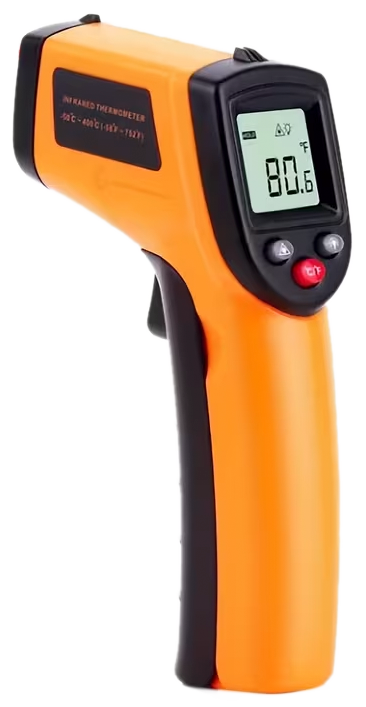
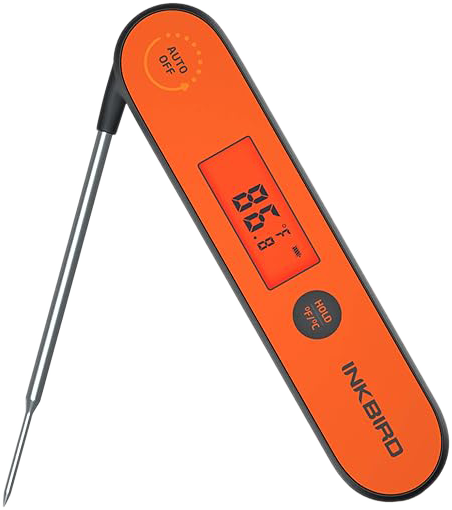
(b) A digital Probe Thermometer for internal meat temperatures

 
  • When your oven has come to 100°C, place your standing rib in it and let it slow roast while regularly keeping a check on the internal temperature of the meat (probe into the centre of the roast). This stage may take some 3 hours.

    This part of the cooking is meant to slowly raise internal temperature of the meat to:
     
    • 48 - 49°C for rare
       
    • 49 - 52°C for medium-rare
       
    • 53 - 54°C for medium

      Do not ruin your roast by going above medium.

    Take out the roast immediately when the desired temperature has been reached and set it aside for some 30 minutes at room temperature to cool down. This helps the roast not to over cook in the searing stage to follow.


  • You can do the final roasting at any time of your choosing after the resting.
     
  • The second and final roasting is a short return of the standing rib to the oven to surface sear (brown) it.
    Crank your oven to its hottest setting and when it has reached that temperature, place your standing rib into it for about ten minutes or so (monitor closely) to brown all over.

    Remember that your roast has already been cooked previously and this step is only to brown the surface.
    If left too long in the hot oven at this stage, you will ruin the degree of "doneness" which you have previously achieved (overcook the meat).
    The internal temperature of your roast will rise a bit during this final roasting. The target final internal temperatures for your roast are:
     
    • 51 - 54°C for rare
       

    • 54 - 57°C for medium rare
       

    • 57 - 60°C for medium
       

  • When done properly, you will end up with a well-browned Standing Rib Roast with the inside as done as you aimed to have it.


Clem's 2.5 Kg Reverse Seared Angus Standing Rib Roast
Hot English Mustard and Horseradish sauce are on the side


Cooked to  medium-rare
 

ENJOY!


I recommend this carving knife for roasts
"Paudin 12-inch brisket knife"


All my cooking (some without recipes) can be found here (click on each photo to go to that dish's page):


http://clemkuek.com/photoalbum/photo696.html


Video presentations can be found here:

Clem cooks


www.clemkuek.com


24 December 2025


Created by Clem Kuek